Visualizing U.S. Emissions by Sector
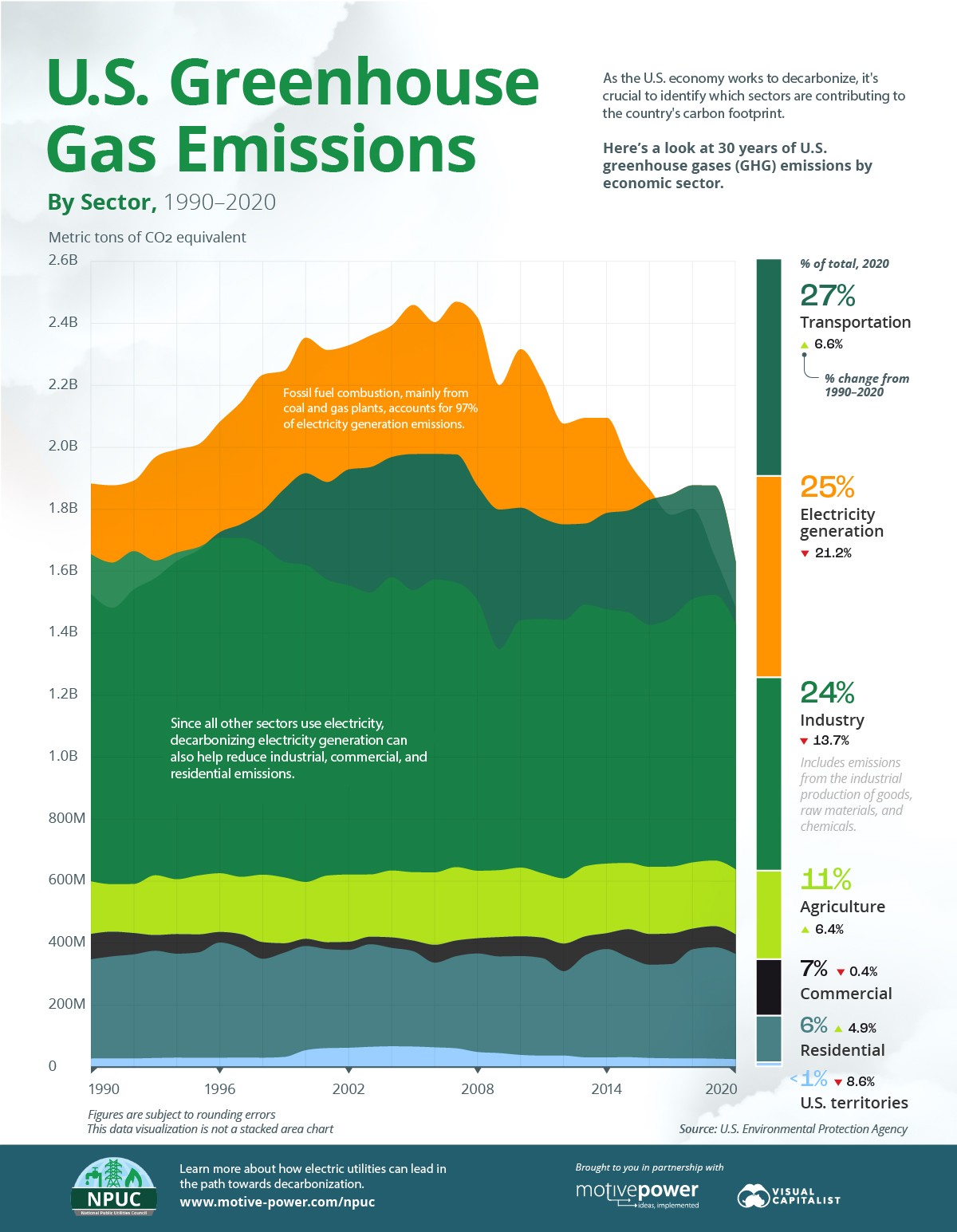
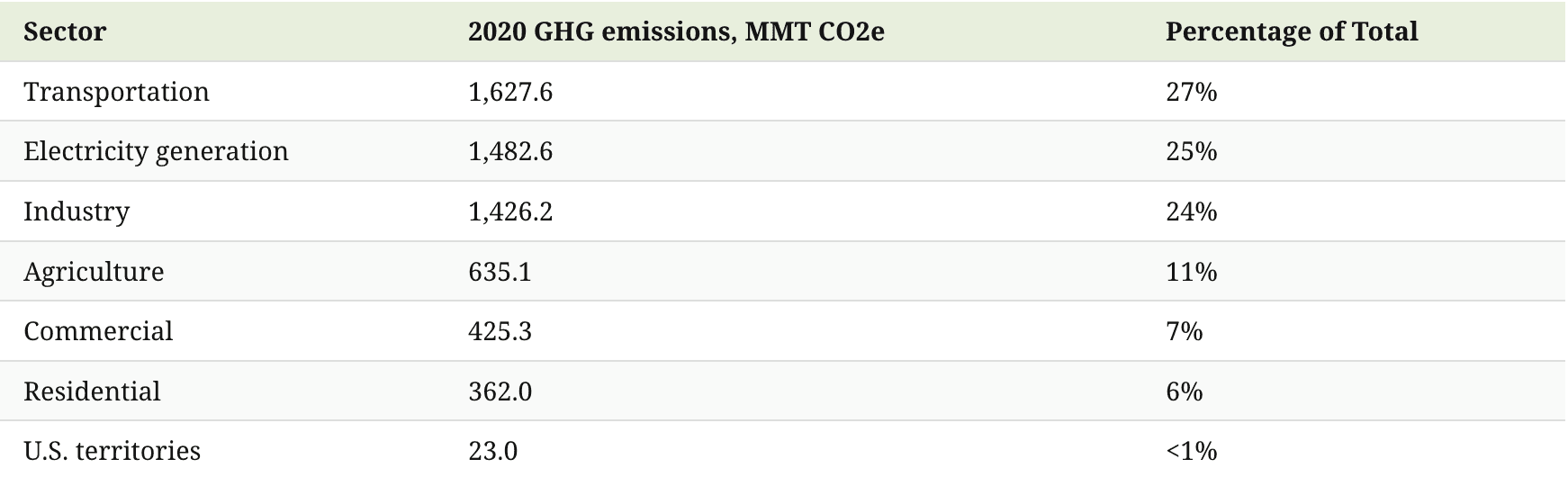

With these adjustments, the industrial, commercial, and residential sectors experience a notable jump, and lead ahead of other categories
Today, the bulk of electricity generation, 60%, comes from natural gas and coal-fired power plants, with nuclear, renewables, and other sources making up 40% of the total.
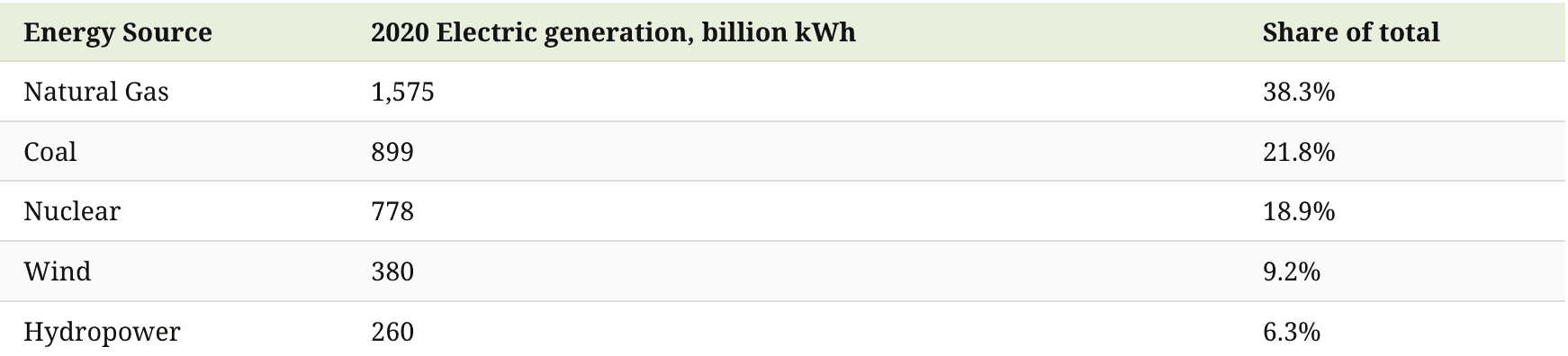
However, progress and notable strides have been made towards sustainable energy. In 2021, renewables accounted for one-fifth of U.S. electricity generation, roughly doubling their share since 2010.
Coal’s share as a source of electric power has dropped dramatically in recent years. And partially as a result, electricity generation has seen its portion of emissions successfully decrease by 21% , with overall emissions falling from 1,880 million metric tons of CO2 to 1,482 million metric tons.
How Utilities Can Lead the Way
Should these trends persist, the electricity generation sector has a chance to play a pivotal role in the broader decarbonization initiative. And with the bulk of electricity generation in the U.S. coming from investor-owned utilities (IOUs), this is a unique opportunity for IOUs to lead the transition toward cleaner energy.
The National Public Utilities Council is the go-to resource to learn how utilities can lead in the path towards decarbonization.


